Understanding RNG in Online Games: How Random Number Generators Work
Ever been one critical hit away from victory, only to have your attack fizzle while your opponent lands a lucky blow? Or maybe you’ve spent countless hours grinding for a rare item, watching other players snag it within minutes? Welcome to the world of RNG – Random Number Generation – the invisible hand that shapes so much of our online gaming experiences.
RNG is more than just a behind-the-scenes mechanic; it’s a core element that influences everything from loot drops and enemy behavior to critical hits and even the weather in virtual worlds. Whether you’re a casual gamer or a hardcore competitor, understanding RNG is crucial for navigating the unpredictable landscape of online games.
With all of this in mind, this article serves as your expert guide to demystifying RNG. It is designed to explain the intricacies of this pervasive system. We’ll explore what RNG is, how it works, and, most importantly, how it impacts your gameplay. How does RNG impact the player experience in online games, and what can players do to better understand and manage its effects?
What is RNG? Unveiling the Basics
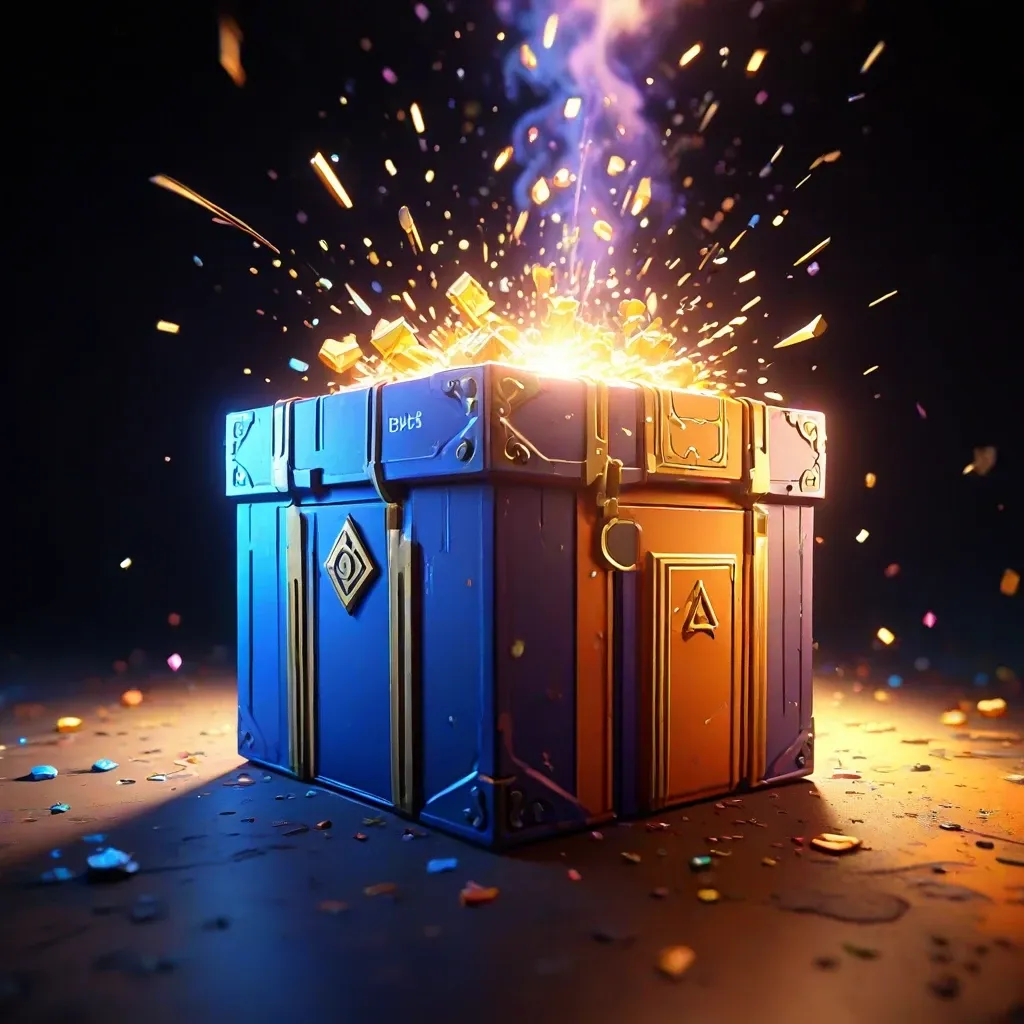
RNG, or Random Number Generator, is the backbone of chance in the digital world. It’s what decides the outcome of your favorite video game’s loot box mechanic or the shuffling of cards in an online poker game. But what exactlyis* it? In essence, RNGs are processes, often algorithms, designed to produce a sequence of numbers that appear random. These are heavily used. For example, one may encounter an RNG when opening a loot box in their favorite game. The anticipation is high, but it is really all predetermined by an algorithm! Let’s clarify some common points.
True vs. Pseudorandomness
It’s important to distinguish between “true randomness” and “pseudorandomness.” True randomness is generated from unpredictable physical phenomena, like atmospheric noise. Pseudorandomness, on the other hand, is what computers typically use. Computers rely on complex algorithms to simulate randomness. These algorithms, known as Pseudorandom Number Generators (PRNGs), use a “seed value” as a starting point. While the outputappears* random, it’s actually deterministic – meaning if you know the algorithm and the seed, you can predict the sequence. However, for most practical purposes, PRNGs are “random enough,” because they provide speed in several different processes.
Common Misconceptions about RNG
One common misconception is that RNG is synonymous with pure, unadulterated luck. While RNG introduces an element of chance, it’s governed by an algorithm. Another myth is that RNGs are impossible to manipulate, but in reality, badly designed onescan* be predictable. Or that RNG is always fair – game developers can, and sometimes do, tweak the odds to favor certain outcomes. Finally, many believe that they can “see patterns” in RNG sequences. Although one may think it is a pattern, it is most likely just the chaotic nature of a specific algorithm.
RNG and Online Games: Why it Matters
RNG, or Random Number Generation, plays a massive role in shaping the online gaming experience. From the thrill of a rare loot drop to the agony of a critical hit at the worst possible moment, RNG influences many aspects of our favorite games. Think about games like Diablo or Path of Exile, where hunting for that perfect item is heavily dependent on RNG. Or consider the unpredictable nature of critical hits and damage ranges in many RPGs. Even crafting systems and matchmaking algorithms often rely on RNG to add an element of unpredictability.
This randomness can be both a blessing and a curse. That incredible moment when a boss drops exactly what you needed? Pure RNG euphoria. But the frustration of grinding for hours without success? That’s the other side of the coin. Ultimately, it’s about the journey. RNG throws unexpected twists and turns that prevent the game of being repetitive. RNG doesn’t determine if you win or lose, but rather determines the path you take to achieve an objective, and the resources or tools you’re provided with.
How RNG Shapes Gameplay
Imagine you’re playing a strategy game, and a crucial battle hinges on a percentage chance of success. Do you risk it all on that one attack, or do you play it safe with a less efficient but more reliable strategy? The RNG forces you to make a difficult choice, shaping your approach to the game. In card games, drawing a specific card at the right moment can completely change the course of a match. This element of chance adds a layer of depth, compelling players to adapt, strategize, and gamble on different courses of action during gameplay.
Balancing Skill and Chance
Just because a game has RNG doesn’t mean skill goes out the window. Skilled players can often mitigate the effects of bad luck through smart decision-making, resource management, and a deep understanding of game mechanics. Consider a fighting game where a random critical hit could turn the tide. A pro player may anticipate this possibility, playing defensively or baiting out attacks to minimize the risk. Top-tier gamers understand the probabilities and know how to adjust their plan when RNG inevitably throws them a curveball.
Behind the Curtain: How RNG is Implemented
RNG implementation is a critical aspect of game development, influencing everything from loot drops to enemy behavior. Developers employ various methods, often leaning on built-in functions offered by programming languages like C++, C#, or Python. These functions, while convenient, are essentially pseudorandom number generators (PRNGs), producing sequences that appear random but are, in fact, deterministic. Alternatively, developers might craft custom algorithms, providing greater control but demanding rigorous testing to avoid bias or predictability.
Seed values are the starting point for these algorithms; the same seed will always produce the same sequence. A poor choice of seed can compromise randomness, making it susceptible to manipulation. Secure RNG relies on unpredictable seeds, often derived from system entropy or hardware-based sources. Vulnerabilities in RNG implementation can lead to exploits, allowing players to predict outcomes or gain unfair advantages. Popular game engines like Unity and Unreal Engine offer their own RNG solutions, each with unique characteristics and considerations for secure and fair gameplay.
Common RNG Algorithms
The linear congruential generator (LCG) is a foundational, though now often outdated, algorithm due to its simplicity and potential for predictability. Modern games frequently use more sophisticated methods like the Mersenne Twister, known for its long period and better statistical properties. Algorithm choice impacts RNG efficiency; some algorithms are faster but less random, while others offer stronger randomness at the cost of computational overhead. While lines of code vary based on the specific requirements, the Mersenne Twister could look like this:
// Example code (Conceptual) function generateRandomNumber { // Implementation details of Mersenne Twister algorithm return randomNumber; }
Ensuring Fair RNG
Fairness is paramount. Anti-cheat measures frequently target RNG manipulation attempts. Server-side RNG is a common technique, where random numbers are generated on the server, making it harder for clients to predict or influence outcomes. RNG validation involves statistical testing to ensure the generated numbers meet randomness criteria, looking for patterns or biases. Strong security protocols, including encryption and tamper detection, protect the integrity of the RNG process. Without validation or security measures, the code might look like this – resulting in unfair play:
//Example code (Conceptual) function badRNG { return 7; }
The Perception Problem: RNG and Cognitive Biases
The world of Random Number Generators (RNGs) is often viewed through a distorted lens, shaped by our own cognitive biases. These inherent psychological tendencies can heavily influence how players perceive randomness, leading to frustration and inaccurate judgments about game fairness. For example, imagine a player convinced that a slot machine is “due” for a jackpot after a long losing streak. This is a classic case of the gambler’s fallacy – the mistaken belief that past random events affect future ones. It’s like thinking that flipping heads five times in a row makes tails more likely on the next flip!
Confirmation bias also plays a significant role. Players tend to notice and remember instances that confirm their pre-existing beliefs about an RNG, while conveniently forgetting those that don’t. If someone believes an online game is rigged against them, they’ll likely focus on every perceived instance of “unfair” RNG, reinforcing their initial suspicion and ignoring evidence to the contrary. The clustering illusion, our tendency to see patterns in random data, further compounds the issue. Streaks of good or bad luck can be easily misinterpreted as evidence of a non-random system, even when they fall within the bounds of statistical probability. So, next time you find yourself questioning the fairness of an RNG, consider the possibility that your own mind might be playing tricks on you.
Identifying Bias in Gameplay
Cultivating self-awareness is crucial to mitigating the effects of cognitive biases on your gameplay experience. Start by consciously challenging your initial assumptions. Before concluding that an RNG is “unfair,” pause and consider whether your perception might be skewed by confirmation bias or the gambler’s fallacy. Engage in critical thinking; analyze your gameplay objectively, looking for evidence that supports or contradicts your beliefs. Keep records of your outcomes to identify streaks and analyse them. Developing the habit of rational decision-making, based on data rather than gut feelings, will help you avoid emotional reactions and make more informed judgements about the role of RNG in your games. It’s not about eliminating luck, but about understanding its true influence.
Is it Fair? Transparency and Accountability
The question of fairness in games of chance, especially those relying on Random Number Generators (RNGs), hinges on transparency and accountability. Without these, players are left wondering if the odds are truly random or subtly, or not so subtly, stacked against them. The ethical considerations surrounding RNG manipulation, whether intentional or due to flawed design, are significant. When players invest their time and money, they expect a level playing field. This necessitates a clear understanding of how RNGs function within a game and the measures in place to prevent manipulation. The ability to audit these systems, potentially through regulatory oversight, becomes paramount in ensuring fair play. Several discussions have been raised about RNG manipulation in games, highlighting the need for increased transparency and robust auditing processes, leaving a mark in the gaming community.
The Role of Developers
Game developers bear a significant ethical responsibility to foster player trust through ethical game design. Openly disclosing how their RNG systems work is a crucial element. This promotes trust and ensures players can make informed decisions. Active community engagement, where developers address concerns and answer questions about RNG implementation, further solidifies their integrity. Ultimately, building trustworthy games is not just about technical proficiency; it’s about fostering a relationship of honesty and transparency with the playerbase. If the player does not trust in the system, there is no game to be played. It is the role of developers show that they can be trusted, by making the game fair.
Provably Fair Systems
Provably fair systems, often leveraging blockchain technology, represent a significant advancement in ensuring RNG transparency. These systems allow players to independently verify the randomness of each outcome. It makes use of cryptographic proof. Unlike traditional RNGs, where the underlying algorithms are often opaque, provably fair systems provide verifiable randomness. This creates trustless systems and builds confidence. By undergoing RNG audits, it further ensures transparency. This assures players that the game’s outcomes are not being manipulated. The end result is a system that allows players to check by themselves the fairness of the system.
Mastering the Odds: Strategies to Mitigate the Impact of RNG
The capricious nature of Random Number Generators (RNGs) can be a source of frustration and excitement in games. While luck undeniably plays a role, skilled players understand that they are not entirely at the mercy of chance. Effective RNG mitigation involves strategic decision-making, astute resource management, and a willingness to adapt. Players who embrace risk management techniques, such as diversifying their in-game resources and avoiding high-stakes, all-or-nothing scenarios, often find themselves better positioned to weather unfavorable outcomes. Additionally, a solid grasp of probabilities and game theory provides a framework for making informed choices that improve the odds of success. Success stories abound of players who have turned seemingly insurmountable situations around through clever play, demonstrating that strategic thinking can indeed triumph over bad luck. One technique for managing risk involves setting loss limits and profit targets during gaming sessions.
Understanding Probabilities
Probability theory is the backbone of understanding RNG. Start by identifying all possible outcomes of an event. Next, quantify the likelihood of each outcome occurring. This involves determining the number of ways a specific outcome can occur, then dividing that by the total number of possible outcomes. Calculating expected value can also be useful by multiplying each possible outcome by its probability and then summing these values. This gives you an average of what you can expect to gain or lose over many trials. Understanding these concepts allows players to make informed choices, leading to improved strategic decisions.
Adaptive Strategies
Flexibility is essential to navigating the uncertainties of RNG. Players must be prepared to adjust their strategies on the fly, based on the unfolding circumstances within a game. Accurate risk assessment is also important as it allow players to make effective decisions. Recognizing opportunities is another crucial element of adaptive strategies. Successful players are always scanning the game for chances to turn bad luck into an advantage. By embracing dynamic gameplay and remaining open to change, players can maximize their chances of success, even when the odds appear stacked against them.
Conclusion
Random Number Generators (RNGs) are undeniably the unsung heroes, and sometimes the mischievous villains, of online gaming. From determining loot drops to influencing critical hits, RNG weaves a complex thread through the player experience.
This exploration has highlighted how RNG, at its core, introduces both excitement and frustration. While pure skill-based games offer predictable outcomes, RNG injects an element of the unexpected, creating those water-cooler moments of both triumph and exasperation. The perception of fairness is critical; players need to trust that the randomness isn’t skewed against them, even if the odds aren’t always in their favor.
Looking ahead, the future of RNG in online games may involve more sophisticated algorithms that adapt to player behavior or even provably fair systems that allow players to verify the randomness themselves. Regardless of the specific implementation, RNG will continue to be a cornerstone of online game design, constantly evolving to strike the delicate balance between chance, strategic play, and overall player satisfaction.
Note: I answered the initial anecdote in the introduction.